Canasta Card Game
FIOGONIA LIMITEDCard
4.61.07K Reviews
- Version
- 1.3.1
- Installs
- 100.00K
- Age Rating
- Everyone
Screenshots
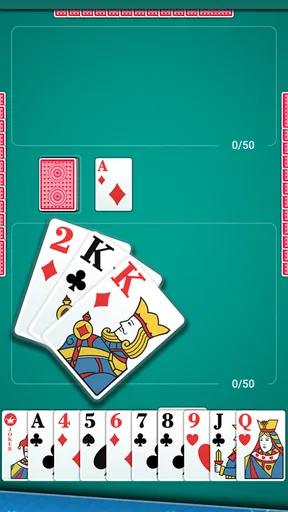
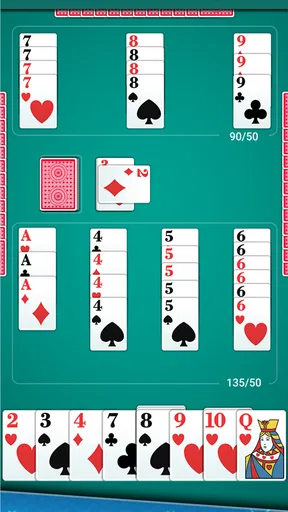
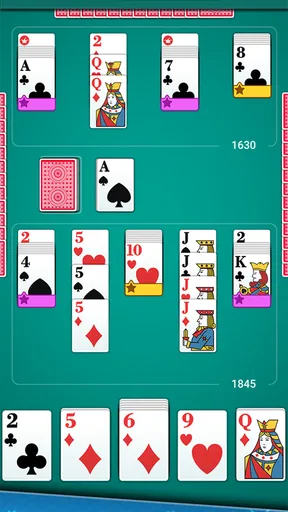
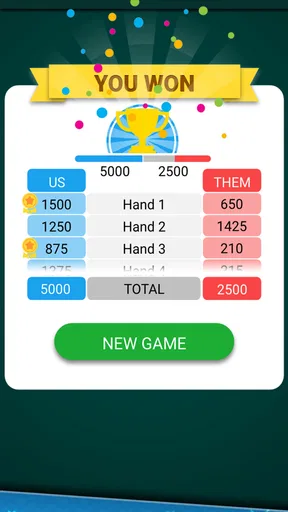
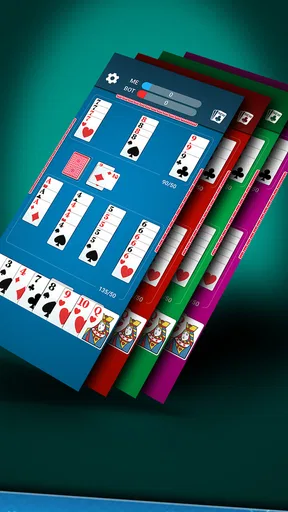
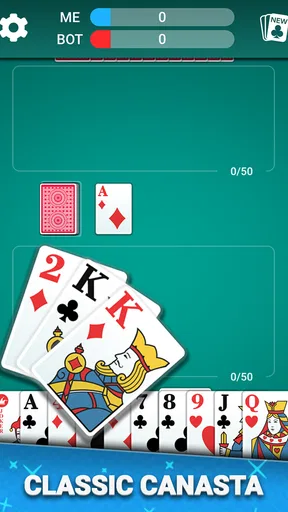
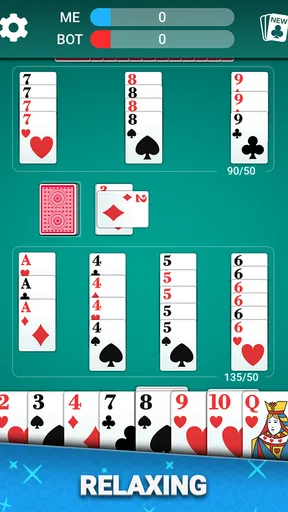
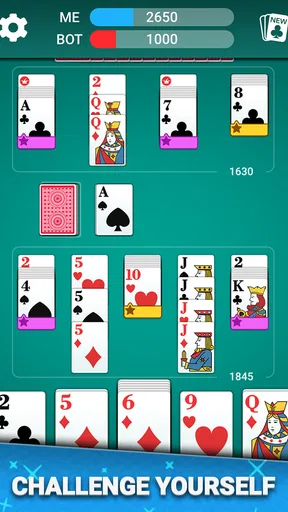
Our Review of Canasta Card Game
 Analysis by Appyee
I spent time with Canasta Card Game as a straightforward digital version of the classic card game, and its appeal became clear quickly: it lets me settle into a familiar Canasta round without needing a table, a second player beside me, or an internet connection. Developed by FIOGONIA LIMITED, it sits firmly in the card-game corner of mobile gaming rather than trying to become a large collection of unrelated modes.
That focus is its biggest strength. When I want a quiet game during a break, while travelling, or at home after finishing other tasks, I can open it and get into the rhythm of drawing, melding, watching the discard pile, and deciding when to take a risk. It is free to start, suitable for Everyone, and the game has built a solid audience, with more than 100 thousand installs and a 4.6 average from roughly 3.5 thousand ratings.
My overall impression is that this is best for players who want dependable Canasta practice rather than a flashy card-game collection. It is easy to approach, works offline, and leaves room for thoughtful decisions. At the same time, experienced players may eventually notice that a focused offline game cannot replace the social tension of playing with friends or the variety of a larger online card platform.
How a typical Canasta session feels
The baseline workflow is pleasantly uncomplicated. I launch the game, begin a round, and concentrate on the hand in front of me instead of navigating through layers of menus. That matters with Canasta because the mental work is already in the cards: I need to remember useful ranks, judge whether the discard pile is worth taking, and avoid giving the opponent an easy opportunity.
A normal session works well in short bursts. I can play a few turns while waiting somewhere, then return to a longer match when I have more time. The offline focus is especially useful here. I do not have to plan around a connection, and the game fits situations where streaming-heavy or multiplayer-first alternatives would be inconvenient.
For a new player, I recommend treating the first few rounds as observation rather than trying to win every hand. Canasta rewards patience more than impulsive collecting. I watch which cards are being discarded, keep track of the ranks that could connect with my existing melds, and try not to expose my plan too early. The digital format makes repeating this process less intimidating than learning at a busy physical table.
One everyday use case is a train ride with unreliable reception. A player can use the journey to practise recognising when a discard pile is valuable and when it is a trap. Another is a short evening routine: one or two rounds are enough to exercise memory and decision-making without committing to a large competitive game. I found that the game works better as a calm, repeatable habit than as something I open expecting constant novelty.
What to check before settling into a routine
The first settings check should be practical rather than obsessive. I look for the options that affect how comfortable the table feels, how quickly turns move, and whether the presentation suits a longer session. In a card game, small interruptions become surprisingly irritating when repeated across many turns, so it is worth taking a moment to make the play area comfortable before judging the game.
I also recommend checking the rules presentation early. Canasta has enough scoring and melding details that a player who knows only the broad idea can misunderstand an otherwise sensible move. If the game offers an explanation or reference inside its interface, I use it before relying on memory from a different version of Canasta. Rule variations matter, and assuming that every digital table follows the same interpretation can lead to avoidable frustration.
Another useful habit is to adjust the pace to the purpose of the session. When I am learning, I prefer a slower, more deliberate rhythm so I can review each choice. When I already understand the flow and simply want a quick diversion, faster interaction is more comfortable. The important point is not to rush before I understand why a move is good; speed should remove hesitation, not replace strategy.
The current release is version 1.3.1 and requires Android 7.0 or later. That makes it a reasonable fit for many older Android devices, although the experience will still depend on the phone’s screen size and general responsiveness. On a small display, cards and discard information deserve extra attention because a cramped layout can make memory-based play less pleasant.
Because the game is free, I can test its basic feel without paying first. There are in-app purchases ranging from $4.99 to $29.99 per item, so I would approach those carefully and decide whether they add meaningful convenience for my own use. A free starting point is valuable, but it does not automatically mean every player will want to spend money later. I would play several sessions first and only consider a purchase if the game had already earned a regular place in my routine.
Small habits that make turns faster and clearer
Experienced Canasta play is less about clicking quickly and more about reducing unnecessary thought. My first shortcut is to sort the hand mentally into three groups: cards that immediately support a possible meld, cards that might become useful later, and cards that are mostly safe to release. This prevents me from staring at the entire hand as one undifferentiated problem.
I also inspect the discard pile before deciding what to draw, rather than making the choice automatically. Taking the pile can create a powerful burst of material, but it can also force me to accept unwanted cards or reveal what I am collecting. The faster pattern is to ask one question: does taking this pile improve my position now, or am I merely reacting to the possibility of getting more cards?
A second repeatable habit is to delay a tempting meld when it would reveal too much. Completing a meld can feel satisfying, but holding a card briefly may keep my intentions less obvious and preserve flexibility. I do not follow this rule blindly; if the opponent is close to ending or the pile is becoming dangerous, acting sooner can be the better trade-off. The useful lesson is to treat timing as part of the move, not as an afterthought.
Discard discipline is another practical advantage. I avoid throwing away a card simply because it is not useful to me at this exact moment. A card that looks weak in my hand may be exactly what the opponent needs. Before discarding, I consider whether it connects with a visible pattern in the other side’s play. This is one of the easiest ways to turn a casual round into genuine practice.
For repeat sessions, I like setting one focus per game. In one round I may concentrate on protecting the discard pile; in another I may practise building a meld without emptying my hand too early. This creates a clearer learning loop than judging every match only by its result. It also helps explain why a simple offline card game can remain useful after the initial novelty fades.
Where the simple design helps, and where it stops
The game’s narrow purpose is a benefit when I want classic Canasta without distractions. I do not need to learn a new fantasy system, manage a large collection, or keep up with a constantly changing competitive environment. The familiar card structure makes it approachable for someone who already plays at home, while the repeatable rounds give newcomers a low-pressure place to learn.
That same simplicity creates limits. Players looking for a strong social layer, live opponents, broad tournament features, or a large range of card variants may prefer a dedicated online platform. Those alternatives can offer more interaction and a livelier sense of competition, though they may also bring connection requirements, waiting for opponents, notifications, or a busier interface.
Compared with a physical deck, this app is more convenient and less demanding. It handles the dealing and keeps the round moving, which is excellent when I am alone. A real table is still better for conversation, reading another person’s reactions, and creating the shared atmosphere that makes family Canasta memorable. The app is a substitute for access, not a full replacement for company.
Compared with a broad card-game app, its special advantage is concentration. I can open it with a specific goal: play Canasta. The trade-off is that I should not expect the same breadth of modes or social activity. This distinction makes the choice fairly clear. If I want a focused offline pastime, it fits. If I want a constantly changing card hub, another option may serve me better.
Advanced play requires accepting uncertainty
There is a point where better habits cannot remove the limits of the format. Canasta always involves incomplete information. I can track discards and infer likely plans, but I cannot know every card still hidden. That means a strong decision can still lose, and a careless decision can occasionally work. I judge my play by the quality of the reasoning, not just by the final score.
I also avoid pretending that every round can be solved through perfect memory. Remembering important discards is useful, but trying to catalogue every card can slow the game and make a casual session feel like paperwork. My practical compromise is to remember dangerous ranks, cards that would make the pile attractive, and signs that the opponent is preparing to finish. That gives me actionable information without overwhelming the hand.
Taking the discard pile is where the most interesting trade-offs appear. A large pickup can accelerate a meld, but it may leave me with a hand that is difficult to control. It can also make my plan obvious. I take the pile when it supports a clear next step, not merely because it is large. If I cannot explain what I will do with the extra cards, I usually treat the opportunity with suspicion.
Ending a round deserves similar restraint. Going out quickly may deny the opponent time, but finishing with a weak position can waste the value of cards I could have developed. Conversely, waiting too long can give the other side the initiative. I look at the whole table: my useful melds, the opponent’s apparent progress, and whether holding cards is still improving my options.
These decisions are why I would not describe the game as mindless. Its presentation is accessible, but the underlying choices reward attention. Still, players who need detailed competitive statistics, deep opponent analysis, or a large ranked ecosystem may find the experience too contained. The game is most convincing when treated as a personal practice table, not as a complete competitive network.
Who should download it, and who should skip it
I would recommend Canasta Card Game to someone who already knows the basics and wants a convenient offline table. It is also a good entry point for a curious beginner who prefers learning privately, at their own pace, without worrying about making mistakes in front of more experienced players. The Everyone content rating makes it suitable for a broad audience, and the free entry removes much of the risk involved in trying it.
It suits people who enjoy calm, turn-based thinking more than rapid action. It is particularly practical for travel, waiting rooms, quiet evenings, and anyone who wants a game that does not depend on finding a partner at the right moment. I can imagine recommending it to a family member who enjoys traditional cards but wants something available on a phone.
I would skip it if my main reason for playing cards is conversation and shared competition. A physical deck with friends will be more satisfying in that situation. I would also look elsewhere if I wanted a large online community, frequent competitive events, or several unrelated card games in one installation. The focused format is an advantage only when that focus matches what I want.
Storage and device age are also worth considering in practical terms. Android users on version 7.0 or newer can meet the stated system requirement, but an older handset may still make long sessions less comfortable if the screen is cramped or performance is uneven. I would test the interface with a few full rounds rather than deciding from the first launch.
My final view after building a repeatable routine
After using it as a regular offline card table, I see Canasta Card Game as a sincere, focused option rather than an ambitious all-purpose card platform. FIOGONIA LIMITED has kept the experience centred on the decisions that make Canasta enjoyable: managing a hand, reading the discard pile, choosing when to meld, and balancing progress against risk.
Its strongest quality is convenience with enough strategic depth to reward returning. The most useful way to approach it is to establish a simple routine: check the presentation and rules, play slowly while learning, use one strategic focus per session, and review important discards before acting. Those habits make the game feel more substantial than its compact format might suggest.
The limitations are equally clear. It cannot reproduce the social warmth of a real table, and players searching for extensive online competition may outgrow it. In-app purchases also mean I would keep spending optional and evaluate the free experience first. None of those points undermine the core idea; they simply define the audience.
For me, this is a good recommendation when the request is specific: “I want to play classic Canasta on my phone, offline, whenever I have a few minutes.” If that describes you, the free download is easy to justify, and the 4.6 average from around 3.5 thousand ratings suggests that many other players have found the same basic appeal. Choose it for dependable Canasta practice and relaxed solo play, not for a full social card-gaming network.
Verdict
Strengths of Canasta Card Game
- Clear rules and helpful tutorials make it easy for beginners to start.
- Smooth controls make dragging and arranging cards feel natural on mobile.
- Multiple difficulty levels provide a suitable challenge for different players.
- Offline play lets you enjoy matches without an internet connection.
- Short rounds work well for quick gaming sessions on the go.
Limitations of Canasta Card Game
- The frequent ads may interrupt gameplay, especially between rounds.
- Advanced players may find the computer opponents predictable over time.
- Some features and customization options may require in-app purchases.
- Small card details can be difficult to read on compact phone screens.
- The game may use noticeable battery power during longer sessions.
Other Releases by FIOGONIA LIMITED
View All
Dominos Game Classic Dominoes
Board4.7

Word Galaxy Challenge
Word4.7

Spades - Classic Card Game
Card4.7

Hearts - Card Game Classic
Card4.5
Similar Picks in This Category
View All
Solitaire - Classic Card Games
MobilityWare4.6

UNO!™
Mattel163 Limited4.3

Spider Solitaire: Card Games
MobilityWare4.6

Solitaire.com - Classic Cards
Tripledot Studios Limited4.7

Plants vs. Zombies™ Heroes
ELECTRONIC ARTS4.1

Hearthstone
Blizzard Entertainment, Inc.4.1
Frequently Asked Questions
What is Canasta Card Game, and how is it played?
Canasta Card Game is a digital version of the classic rummy-style card game, usually played with two standard decks and focused on creating groups of cards with the same rank. Players draw and discard cards while trying to form melds and complete canastas, which are groups of seven cards. The app generally explains the rules through tutorials or guided rounds, making it approachable for beginners.
Can I play Canasta Card Game offline or without creating an account?
Availability of offline play and account requirements can vary depending on the specific Canasta app and platform version. Many versions let you play against computer-controlled opponents without an internet connection, while online multiplayer, leaderboards, cloud saves, or social features may require an account. It is worth checking the app’s store description and permissions before downloading if offline access is important to you.
Does Canasta Card Game support multiplayer matches with friends?
Most modern Canasta games offer some form of multiplayer, although the available options differ between developers. You may be able to invite friends to private tables, compete against random online players, or join tournaments and ranked matches. Some features can require an internet connection, registration, or in-app purchases. Check whether the version you choose supports cross-platform play if your friends use different devices.
Is Canasta Card Game suitable for beginners who do not know the rules?
Yes, Canasta is generally suitable for new players when the app includes a tutorial, rule guide, or beginner mode. The first games may feel complicated because of special scoring rules, wild cards, freezes, and the requirement to complete certain melds. A good version should provide hints, explain valid moves, and allow you to adjust difficulty, helping you learn gradually instead of being overwhelmed immediately.
Are there advertisements or in-app purchases in Canasta Card Game?
Many free Canasta games are supported by advertisements and may offer optional purchases. Ads can appear between rounds, on menus, or when requesting extra hints and rewards. In-app purchases may remove advertising, unlock different card designs, provide coins, or add premium modes. Before downloading, review the store listing and purchase information, especially if the game will be used by children or on a shared device.
Play our best games!


